Comparing Hospices: the US and Canada
A comparison and Canada and US hospice by Phelim Boyle is a volunteer with Hospice Waterloo Region and a member of their Ambassador Team.
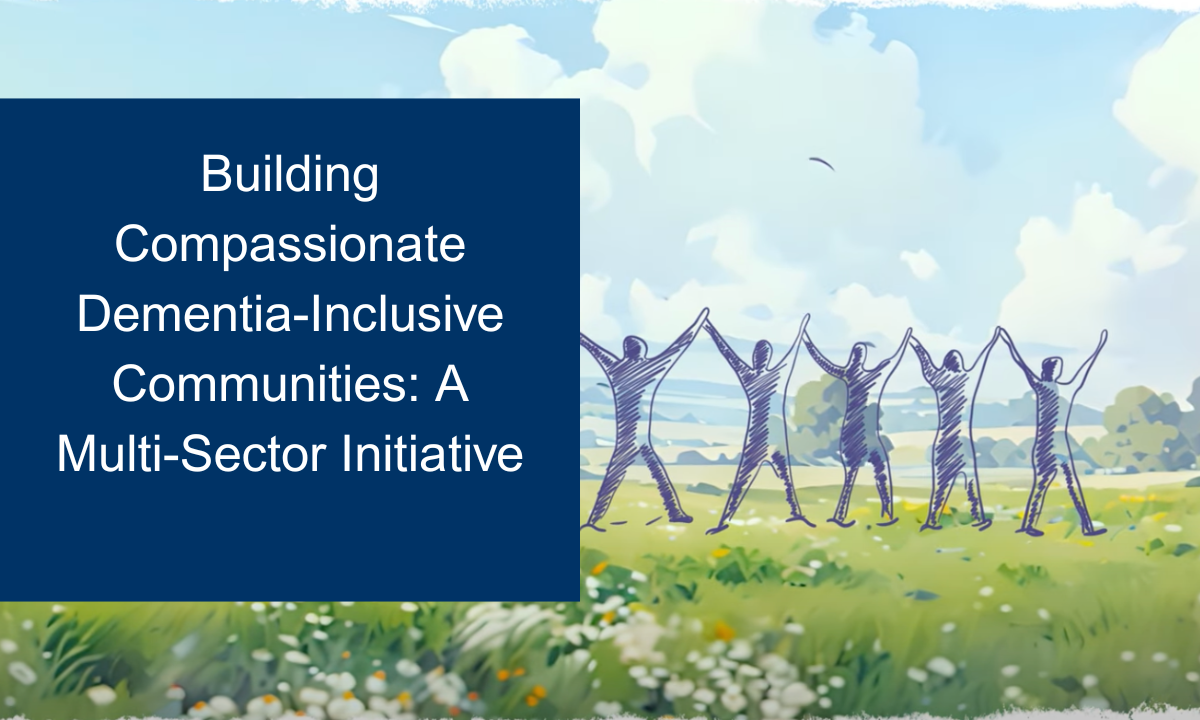
Greater Trail Hospice, Trail FAIR’s Better at Home Program, and Columbia Seniors Wellness join forces with people living with dementia, care partners, healthcare providers, volunteers, and community members to explore what a more dementia-inclusive community could look like
One of the greatest challenges facing people living with dementia isn't the condition itself—it's the stigma that too often accompanies it. Misunderstandings and stereotypes lead to isolation, exclusion, and negative assumptions, all of which have drastic effects on wellbeing.
What makes a community resilient? While infrastructure and services are important, the real flex lies in relationships. Communities become stronger when people know and look out for one another and feel they belong.
Caregiving is far more common, and far more essential than many people realize. According to Statistics Canada, 42% of people in Canada aged 15 years or older, and more than half of women (over 8.4 million) are caregivers. Yet much of this work remains invisible.
As the United States prison population continues to age, the question of how society supports incarcerated individuals at the end of life has become increasingly urgent.
We set out to better understand what qualities volunteers have—and what practices they draw on—that make them effective in their roles. Time and again, one idea continued to surface: compassionate curiosity.
Each year, Canadians pause during National Hospice Palliative Care Week to reflect on how we care for people living with serious illness, and how we support their families. This year’s theme, “Palliative Care Everywhere,” is both a vision and a challenge. It asks us to imagine a country where high-quality palliative care is not limited by location, age, race or ethnicity, diagnosis, housing instability or setting, but is available wherever people are, whenever they need it.
As 2026 is the International Year of the Volunteer, we’ve prepared this special series to celebrate Nav-CARE volunteers across the country who so generously give their time to support persons in their community navigating complex and declining health.
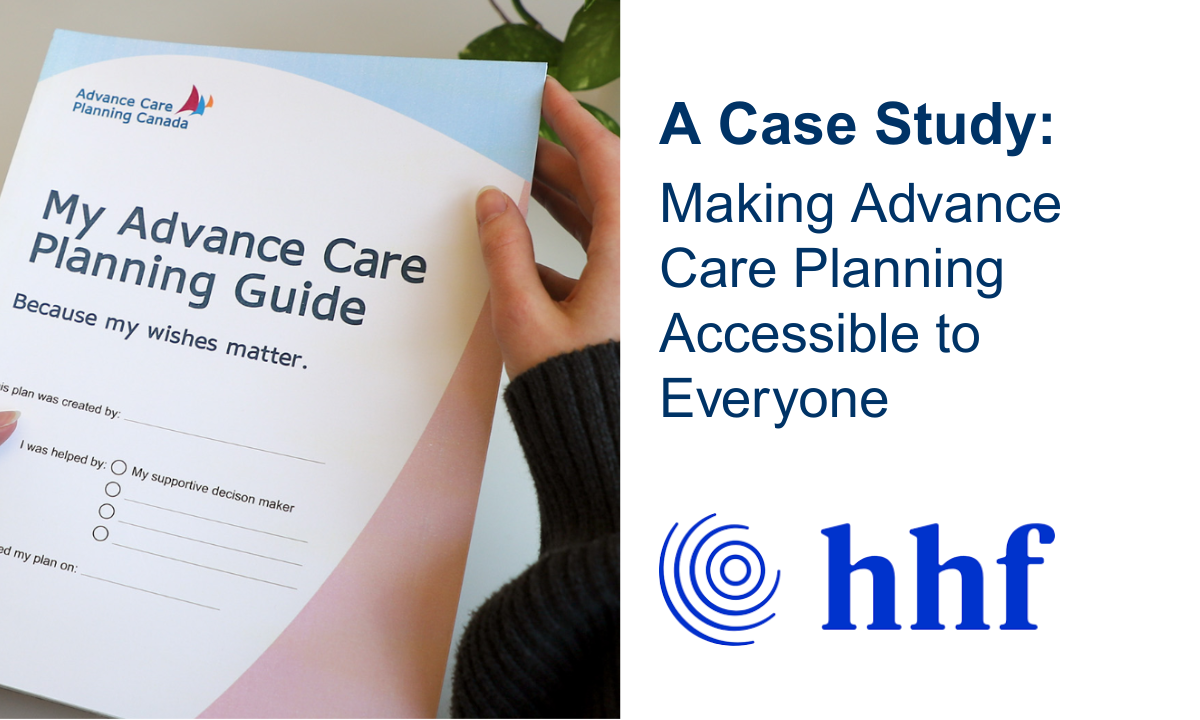
While the concepts underpinning advance care planning are broadly similar across the country, the legal structures, terminology, and documents used to support ACP vary markedly from one province and territory to another. These regional differences that are rooted in distinct legislative frameworks, create challenges for individuals, families, health care providers, and advocates who work to normalize ACP across Canada.